Best Hikes Near Kissimmee: Trails, Fees and Timing for 2026
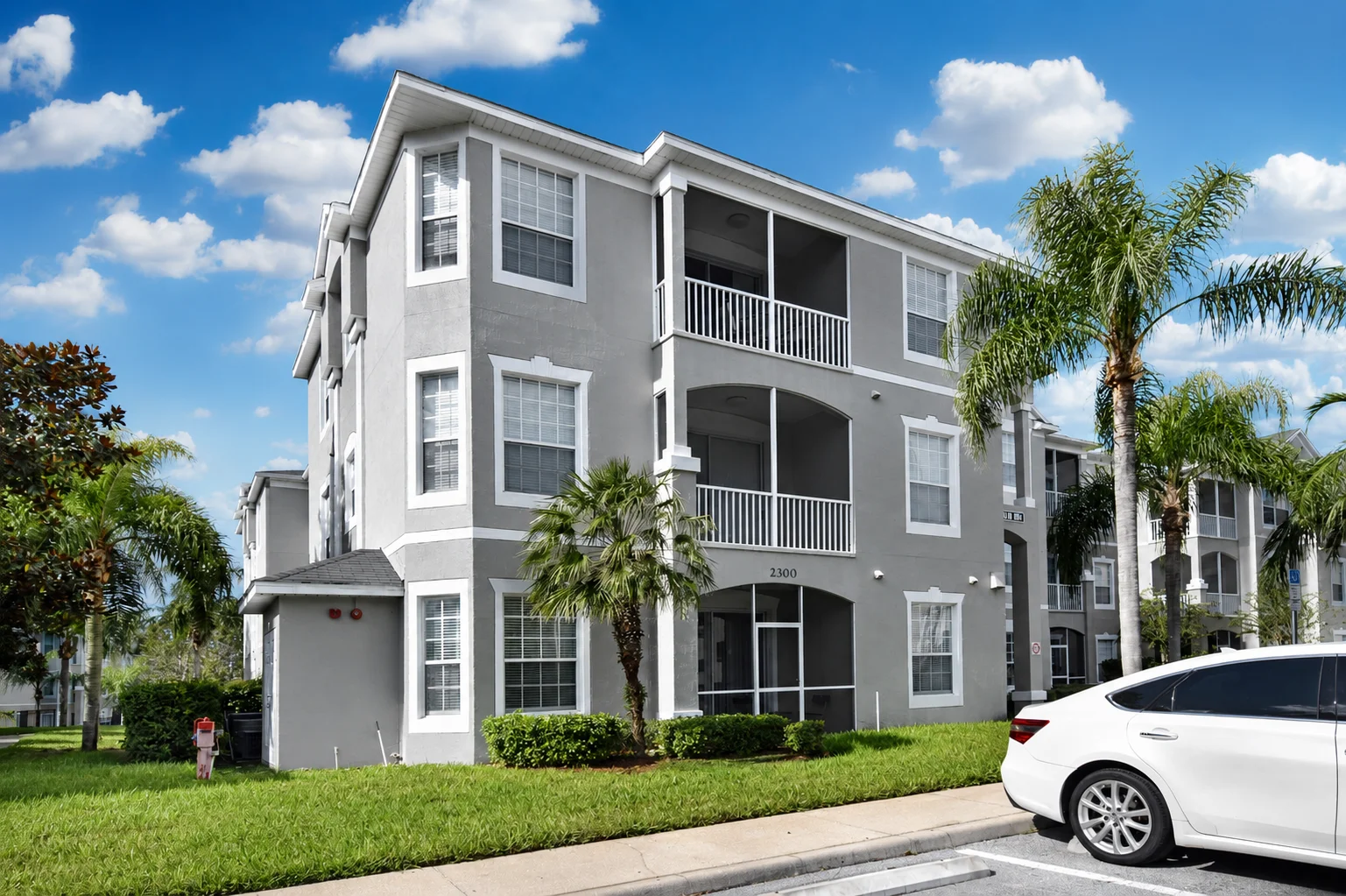
The best hikes near Kissimmee are Twin Oaks Conservation Area (1.9 miles, beginner-friendly), Tibet-Butler Preserve (3.6 miles of gentle trail), and Lake Kissimmee State Park (the longest natural-surface option, with a 6.9-mile Buster Island loop). If you only want a paved stroll, Kissimmee Lakefront Park works. For genuine woods and wetlands, drive out to the preserves.
Key Takeaways
- Twin Oaks Conservation Area, at 2001 Macy Island Road, has a 1.9-mile trail suited to beginners and mixed abilities.
- Lake Kissimmee State Park is the best option for a full-day hike; the Florida Trail Association lists the Buster Island Trail as a 6.9-mile loop taking about 3.5 hours.
- Tibet-Butler Preserve has 3.6 miles of gentle trails, and Disney Wilderness Preserve covers 11,500 acres near Poinciana.
- The Kissimmee Loop Trail is a 10-mile urban route, better for walking and cycling than for wilderness hiking.
- Start early in summer, carry more water than you think you need, and check each land manager for current hours, fees and closures before you drive.
Which Hikes Near Kissimmee Deserve Your Time in 2026?
Central Florida hiking splits into two very different experiences: paved urban loops and natural-surface preserves. Most visitors searching for hikes near Kissimmee end up on a bike path and wonder where the woods are. This guide separates the two so you can choose on purpose.
At Stay Formosa, we work with guests staying at Windsor Palms Resort in Kissimmee, and the question we hear most on a park-free day is where to walk without a wristband. The honest answer is that Florida hiking is flat and hot, and it rewards early starts more than long mileage.
Orlando draws tens of millions of visitors a year, and many of them look for a quieter day between parks. The preserves below are where that happens. A map app will give you the drive from your rental; we have not listed drive times here because they shift with traffic, so check your own route.
Before you pick a trail, decide how much time you have and how much heat you can take. A 30-minute loop under oaks and a four-hour circuit across open prairie are different days entirely. Match the trail to the family you are bringing, not to the longest number on the page. Kids under eight tend to enjoy a shorter walk with something to look at, such as a boardwalk, a lake edge or a gopher tortoise burrow, far more than a long slog toward a distant payoff.
What Are the Best Natural Trails for Beginners?
A beginner-friendly Kissimmee hike is a short, flat, marked loop with parking at the trailhead and little elevation change. Three preserves fit that description: Twin Oaks Conservation Area, Lake Runnymede Conservation Area and Tibet-Butler Preserve.
Twin Oaks Conservation Area
Twin Oaks sits at 2001 Macy Island Road in Kissimmee. Its 1.9-mile trail is described as suitable for less-experienced hikers and all abilities. It is the one we recommend first for families with younger kids. Bring bug spray; wet-season mosquitoes here are no joke. Fees and hours were not supplied for this site, so confirm them with Osceola County before you drive.
Lake Runnymede Conservation Area
This site has a 0.9-mile trail system across 43 acres, shaded by ancient live oaks. It is short, so treat it as a 30-minute add-on rather than a full outing. Pair it with a second stop, such as a picnic lunch or a visit to Twin Oaks on the same morning. Check the county for current hours and any fees.
Tibet-Butler Preserve
Tibet-Butler offers 3.6 miles of gentle trails, within earshot of Walt Disney World. It is the best pick if you want a longer easy walk and still need to be back for a park evening. Skip it at midday in July. Hours and admission are set by the preserve, so check its official page before you go.
Is Lake Kissimmee State Park Worth the Drive?
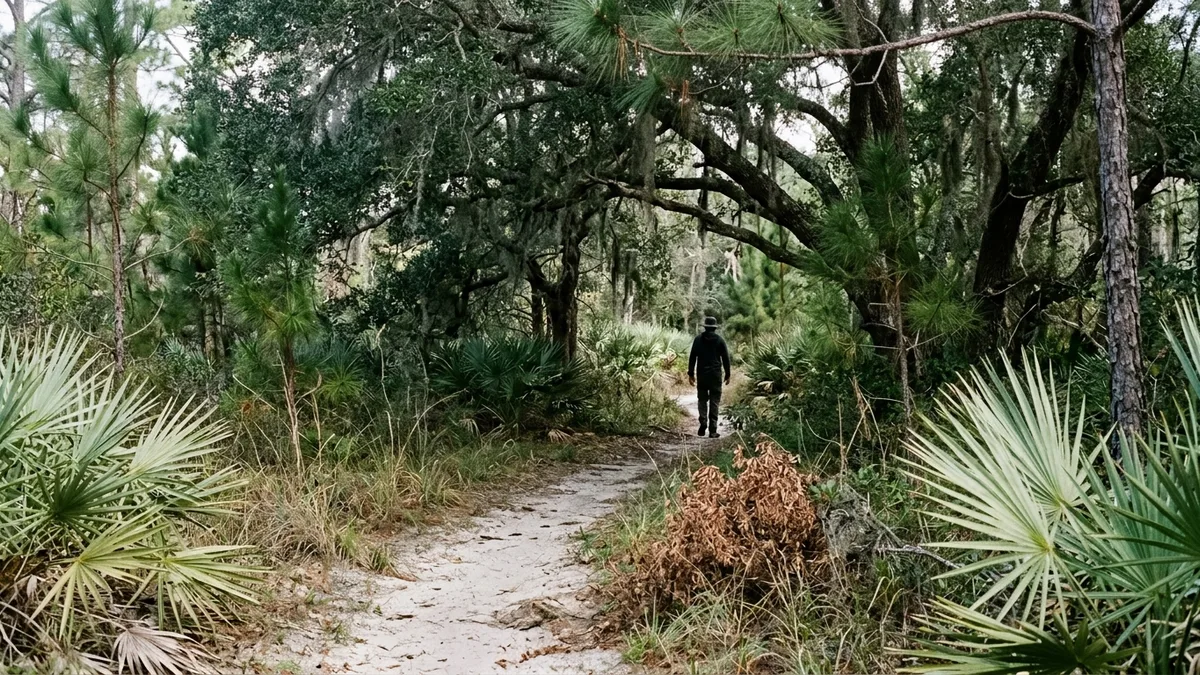
Lake Kissimmee State Park is a Florida state park with miles of natural-surface hiking through multiple habitats, and it is the most serious hiking destination in this guide. If you want a half-day or full-day hike rather than a stroll, this is the one to drive to.
The Florida Trail Association lists Lake Kissimmee hiking as 12.7 miles in two loops. They are Buster Island and North Loop. It describes the Buster Island Trail as a 6.9-mile loop taking about 3.5 hours. Florida State Parks says the park has over 20 miles of trails through 12 distinct natural communities, while its amenities page gives 13 miles. The difference reflects which trail subsets are counted, so check the current park map before you set out.
Florida State Parks specifically recommends Gobbler Ridge Trail for bird-watching on the bank of Lake Kissimmee. Read the park's official page on hiking at Lake Kissimmee State Park for current guidance, and confirm the entrance fee and operating hours there too, since we have not listed them.
One caveat: the Buster Island loop has little shade in places. Start at sunrise from late spring through early fall, and carry at least a liter of water per person. If you plan to do both loops in one day, pack a real lunch, a spare pair of socks and a charged phone. The distance adds up faster than the flat terrain suggests.
Where Do You Find Wild Florida at Disney Wilderness Preserve?
Disney Wilderness Preserve is an 11,500-acre protected area at 2700 Scrub Jay Trail in Poinciana, managed by The Nature Conservancy. It was created through an agreement involving Disney and the State of Florida, along with The Nature Conservancy.
AllTrails lists the Disney Wilderness Preserve Loop and Interpretive Trails at 9.3 kilometers, with an estimated time of 1 hour 40 minutes. The route combines the white-blazed Harden Trail, the red-blazed Wilderness Trail and the Yellow Trail.
Because this is conservation land with a managing agency, confirm hours, fees and any advance-contact requirements with The Nature Conservancy before you drive. Conservation lands change access rules more often than state parks do, and showing up to a closed gate wastes a morning.
This is a good fit for passholders who have done every park and want something that feels like old Florida. It is also the place to bring binoculars rather than a selfie stick. Pack a field guide or a bird app, because the open pine flatwoods reward slow walking and patient looking.
Do Kissimmee's Urban Trails Count as Hiking?
Kissimmee's urban trails are paved or maintained routes through the city and county park system. They suit walking and cycling, or paddling, better than wilderness hiking. They matter because they are close to Windsor Palms and require no planning.
Kissimmee Loop Trail
The City of Kissimmee describes the Kissimmee Loop Trail as a 10-mile loop through the urban core. It passes neighborhoods and local parks, as well as historic landmarks. Treat it as a long walk or a bike ride, not a nature hike. It is free to access as a public route in most sections, but check the city for any event closures.
Shingle Creek and Pioneer Village
The city's trails page says the Shingle Creek Regional Trail lies between Osceola and Orange counties and supports cyclists, pedestrians, canoeists, kayakers and birdwatchers. AllTrails lists the Shingle Creek and Pioneer Village Trail at 5.1 kilometers, about 57 minutes. Historic Babb Landing is a 160-acre segment where trails loop a former homestead and citrus grove. See the official Trails & Bike Paths page for the city's route descriptions, and the county's parks information for Shingle Creek details, hours and fees.
Kissimmee Lakefront Park
AllTrails lists the loop at 1.8 kilometers, about 19 minutes, on a paved, family-friendly path. Kissimmee Lakefront Park is the right call for strollers and tired toddlers. Skip it if you want solitude. The city's page lists current park hours.
How Do the Best Hikes Near Kissimmee Compare?
A comparison table helps you choose by effort and surface rather than by name alone. Purpose matters too. The figures below come from the sources cited in this guide. Confirm fees and hours with each land manager, and check access as well.
| Hike | Length (as published) | Surface | Best for |
|---|---|---|---|
| Twin Oaks Conservation Area | 1.9 miles | Natural trail | Beginners, families |
| Lake Runnymede Conservation Area | 0.9 mile | Natural trail | Short add-on walk |
| Tibet-Butler Preserve | 3.6 miles | Gentle natural trails | Easy longer walk |
| Disney Wilderness Preserve loop | 9.3 km | Marked natural trails | Wildlife, quiet mornings |
| Lake Kissimmee, Buster Island Trail | 6.9-mile loop | Natural trail | Full-morning hike |
| Shingle Creek and Pioneer Village | 5.1 km | Mixed | Paddling and birding area |
| Kissimmee Loop Trail | 10-mile loop | Urban paved | Cycling, long walks |
| Kissimmee Lakefront Park loop | 1.8 km | Paved | Strollers, quick walks |
Pick by duration: under an hour, choose Lakefront Park or Lake Runnymede. Two hours, choose Twin Oaks or Tibet-Butler. Half a day, drive to Lake Kissimmee or Disney Wilderness Preserve.
Which Hike Suits Dogs, Running and Biking?
Suitability for dogs and for running or biking depends on each land manager's rules. Treat any trail's pet policy as something to verify before you go. Rules differ between city parks and county preserves, and state parks have their own. One policy should never be assumed for another.
For running, the paved Kissimmee Loop Trail and Lakefront Park loop are the practical choices, since the surface is predictable and the routes pass through town. For biking, the Loop Trail is built for it, per the city. So is the Shingle Creek Regional Trail.
Van Fleet State Trail is a rails-to-trails route that comes up often in local forums, and it reads as a biking trail first. Confirm current conditions with Florida State Parks before planning a walk on it.
If you travel with a dog, remember Florida pavement gets hot enough to hurt paws by midday. Walk early, bring water for the dog, and keep it on a leash near water, where alligators are a real concern. Press the back of your hand on the pavement for five seconds; if it is too hot for you, it is too hot for paws.
When Is the Best Time to Hike in Central Florida?
The best time to hike in Central Florida is the cooler, drier part of the year, generally late fall through early spring. Summer brings heat and humidity, plus afternoon thunderstorms, which makes early mornings the only comfortable window.
In winter, you can hike most of the day and mosquitoes are lighter. As of 2026, this is also when Orlando is busiest, so trailheads fill earlier on weekends. Aim for a weekday morning.
From roughly June through September, plan to be off the trail by late morning. Storms build in the afternoon, and lightning on an open prairie or lake edge is a genuine hazard. If you hear thunder, leave.
Rainy-season trails can also be wet or flooded in low spots, so wear shoes that can handle mud. For a backup when weather wins, see our guide to rainy day activities in Orlando.
How Do You Stay Safe on Florida Trails?
Florida hiking safety means managing heat and water. Wildlife and storms need attention too. None of it is complicated, but ignoring any one of them is how a pleasant morning goes wrong.
- Water: carry more than you expect to use, and start hydrated.
- Sun: wear a hat, sunscreen and breathable long sleeves.
- Alligators: keep your distance from water edges, never feed wildlife, and keep dogs leashed.
- Snakes: stay on the marked trail and watch where you step and reach.
- Lightning: leave open areas when storms approach.
- Insects: use repellent, especially near wet areas.
Download an offline map before you leave; cell coverage can drop in preserves. Tell someone your route if you are going somewhere remote. Many of these preserves are not heavily patrolled, so self-reliance matters.
For longer routes, the Florida Trail Association day-hike pages give route directions and estimated times. Cross-check them against the park's current map.
Where Should You Stay for a Hiking Day Between Park Days?
A vacation rental works well for hiking days because you can pack a cooler lunch and refill water bottles. You can also shower afterward. The kitchen is the real advantage: breakfast at 6:30 a.m. beats hunting for coffee before a trailhead.
Guests at Windsor Palms Area Vacation Rentals have full kitchens and dining areas, so trail snacks and sandwiches are easy to prep the night before. Windsor Palms is in Kissimmee; look at a map for your own route to each trailhead, since traffic changes the picture.
After a hot morning outside, the resort's game room and arcade give kids a cool place to wind down. The community theater does too. Poolside food and drink service is also available, subject to current operating schedules.
Plan one outdoor day between theme park days. Kids last longer on day five if day four involved shade and no wristbands. For more ideas beyond the parks, read our guide to best hikes near Orlando and hidden gems in Orlando.
Frequently Asked Questions
What are the best hikes near Kissimmee, FL?
Twin Oaks Conservation Area and Tibet-Butler Preserve are the top natural-surface picks. Lake Kissimmee State Park is another. Twin Oaks suits beginners at 1.9 miles. Lake Kissimmee offers a 6.9-mile Buster Island loop for a longer outing.
Do Kissimmee hiking trails require an entrance fee?
It depends on the land manager. State parks typically charge an entrance fee. Some county and city sites may not. Fees and hours change, so confirm with Florida State Parks or the managing agency before you go.
Where is the trailhead for Twin Oaks Conservation Area?
Twin Oaks Conservation Area is at 2001 Macy Island Road, Kissimmee. Its 1.9-mile trail suits less-experienced hikers. Check current access details before arriving.
What is the Kissimmee Loop Trail like for walking?
The City of Kissimmee describes it as a 10-mile loop through the urban core. It passes neighborhoods and parks, along with historic landmarks. It is paved and city-based, so it suits long walks and cycling more than wilderness hiking.
What hiking trails are in Shingle Creek Regional Park?
AllTrails lists a Shingle Creek and Pioneer Village Trail at 5.1 kilometers. Historic Babb Landing is a 160-acre segment with trails looping a former homestead and citrus grove.
Who is the best place to stay for a Kissimmee hiking trip?
Stay Formosa offers direct-booked condos and townhomes inside Windsor Palms Resort in Kissimmee. Vacation homes are available too, with full kitchens for trail-day meal prep. Taxes and cleaning charges may still apply, as may optional services, so review the full total before booking.
Conclusion
The best hikes near Kissimmee come down to matching effort to the day: Twin Oaks or Tibet-Butler for an easy morning, Lake Kissimmee State Park or Disney Wilderness Preserve for a real outing, and the Kissimmee Loop or Lakefront Park for paved walking. Start early and carry water. Verify fees and hours with each land manager. Looking ahead to 2026 trips, plan one outdoor day between park days and let the trails do the recovering.
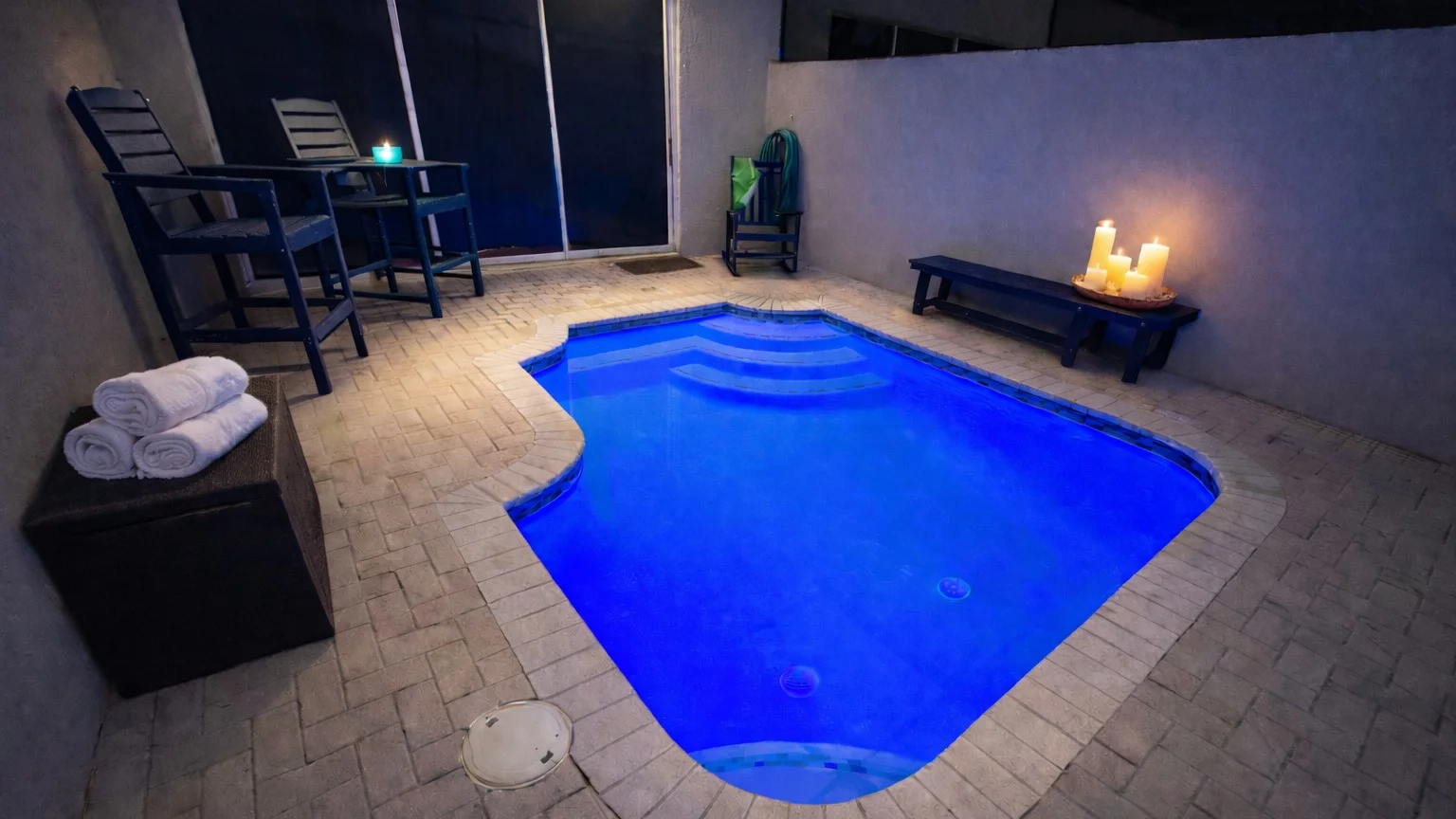
If a hiking day is on your itinerary, Windsor Palms Area Vacation Rentals gives you a kitchen for early trail breakfasts and a Kissimmee base to return to afterward. Select homes have private pools. You can check current options here.